
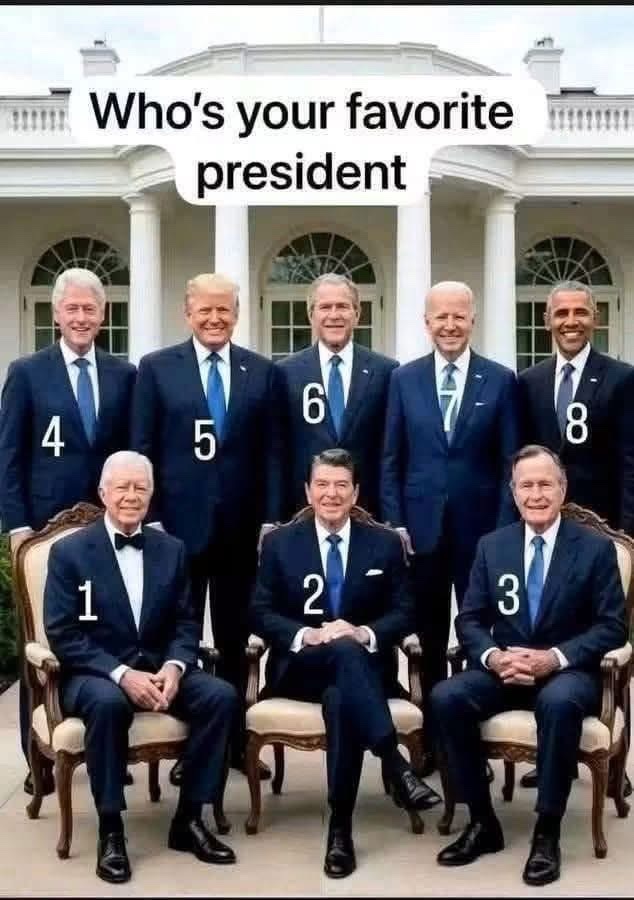
Who Is Your Favorite President? A Look at Leadership and Legacy
When discussing American history, one cannot deny the significant impact that each president has had on the nation’s direction, values, and legacy. The question, “Who is your favorite president?” often sparks lively debates, as individuals draw upon their unique perspectives, beliefs, and values. This article delves into the leadership qualities and legacies of some of the most notable U.S. presidents. From their enduring impact to the values they embodied, we aim to explore what makes a president truly memorable.
Understanding Leadership in the Presidential Context
Presidential leadership can be broken down into several key qualities. Effective presidents often exhibit strong communication skills, decisiveness, integrity, empathy, and the ability to inspire. These traits not only help them gain the respect of fellow politicians but also resonate with the public. Each president, in their own way, has contributed to the fabric of American society through challenges and triumphs.
1. Communication Skills
A successful president must communicate their vision clearly. This quality is critical during times of national crisis. For instance, Franklin D. Roosevelt’s “Fireside Chats” effectively calmed and informed the public during the Great Depression, showcasing how direct communication can foster trust.
2. Decisiveness
The ability to make tough decisions under pressure is another vital presidential trait. Abraham Lincoln’s determination to preserve the Union during the Civil War exemplifies this decisiveness, as his leadership ultimately led to the abolition of slavery and the nation’s healing.
3. Integrity
Integrity is paramount for any leader. George Washington set a high standard with his commitment to honesty and ethical conduct, laying a foundation for future leaders to aspire to.
4. Empathy and Inspiration
Empathy allows leaders to connect with the citizens they serve. Barack Obama is often recognized for his ability to relate to people from diverse backgrounds, turning personal stories into a call for collective action. His speeches not only inspired hope but also urged collaboration across party lines.
Exploring Presidential Legacies
While each president’s actions influence the nation, it is their legacy that defines them long after their term ends. The lasting impression they leave often shapes public perception and historical narratives.
The Legacy of Abraham Lincoln
Often heralded as one of America’s greatest presidents, Lincoln’s dedication to unity and equality remains influential. His leadership during the Civil War and the issuance of the Emancipation Proclamation were pivotal moments in American history. Lincoln’s ability to navigate tumultuous times with grace and conviction ensures his legacy as a champion of freedom and human rights.
Franklin D. Roosevelt: A Transformative Leader
FDR’s presidency during the Great Depression and World War II saw significant policy changes, including the New Deal, which aimed to revive the economy. His ability to adapt to changing circumstances and introduce social programs has left a lasting impact on American governance. Roosevelt’s leadership is often studied in political science courses, emphasizing the importance of adapting to the needs of the populace.
The Vision of John F. Kennedy
Though his presidency was tragically cut short, John F. Kennedy’s vision for America continues to resonate. His call to action, famously captured in his inaugural address, “Ask not what your country can do for you—ask what you can do for your country,” inspires civic engagement and responsibility. His contributions to civil rights and the space race showcase his forward-thinking leadership.
Barack Obama: A Symbol of Change
As the first African American president, Barack Obama represents a watershed moment in U.S. history. His administration pushed forward health care reform with the Affordable Care Act, often debated and analyzed for its impact on the American healthcare landscape. In addition to health care, Obama championed climate change awareness, advocating for sustainable policies that continue to influence political dialogue.
Personal Reflection: Defining Your Favorite President
So, who is your favorite president? This is a deeply personal question. Individuals may favor different presidents based on the qualities they admire most, the policies they believe in, or the historical contexts that resonate with their lives. Engaging in discussions about presidential leadership and legacies shapes our understanding of democracy and governance.
Factors Influencing Presidential Preference
Several factors may influence one’s preference, including:
– Historical Context: The societal conditions during a president’s term can significantly impact public perception.
– Policy Impact: Voters often evaluate a president’s effectiveness based on the policies they implemented and their long-term effects.
– Charismatic Leadership: Personal charisma and the ability to connect with citizens can elevate a president’s status among the public.
– Social Values: Values such as equality, economic justice, and civil rights often play a crucial role in determining an individual’s favorite president.
Engaging in Constructive Dialogue
Discussions surrounding presidential preferences can lead to fruitful conversations about leadership styles and the evolution of American values. Engaging with others on this topic enhances our understanding of how leadership affects society and informs current and future governance.
Conclusion: The Legacy of Leadership
In conclusion, pondering the question of “Who is your favorite president?” invites us to reflect on what leadership truly entails and how legacies are crafted over time. Each president has contributed to the United States in unique ways, and their legacies serve as reminders of both triumphs and failures. Whether you favor Lincoln, Roosevelt, Kennedy, Obama, or another notable leader, understanding their leadership strategies and the legacies they left behind enriches our collective history. Ultimately, these discussions encourage us to actively engage with the principles of democracy and leadership, ensuring our voices are heard in the ongoing narrative of America.