
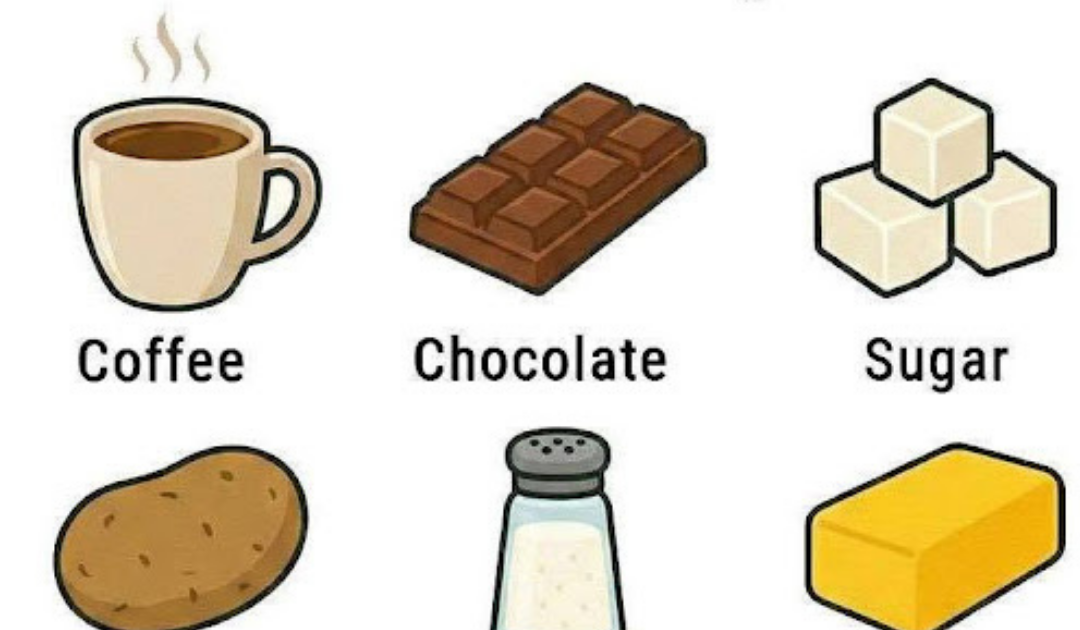
Understanding the Connection Between Food and Personality
Food is far more than just fuel for the body; it intertwines with our memories, cultures, and emotions, shaping our identity in profound ways. The ingredients we cherish or can’t live without reveal insights into our personalities, values, and life philosophies. Engaging with the question, “Which single ingredient would you willingly erase from your life forever?” can offer more than just a fun exercise; it can unveil hidden aspects of who we truly are. In this article, we explore how different ingredients resonate with various personality types, unravel the deeper meanings behind our culinary preferences, and help you discover what your food choices say about you.
The Intricacies of Food Choices
When we think about our favorite meals or ingredients, we often reflect on comfort, nostalgia, or even adventure. Each ingredient carries its own story and significance. Here, we delve into a few common ingredients people might choose to live without and what those choices can indicate about their personality traits.
If You’d Give Up Salt: The Minimalist Purist
Salt is a staple in most kitchens, enhancing flavors and preserving food. However, choosing to give it up signifies a profound appreciation for simplicity. If salt is the ingredient you’d willingly erase, it’s likely you identify as a Minimalist Purist.
- You value authenticity and believe in embracing the natural essence of things.
- Flashy tastes and extravagant presentations do not appeal to you.
- You often find tranquility in quiet moments, emphasizing substance over style.
- While you might be perceived as reserved, your depth is significant.
People like you tend to appreciate the understated beauty in all aspects of life, often gravitating towards quality over quantity and cherishing those memories attached to simplicity.
If You’d Give Up Sugar: The Disciplined Realist
Choosing to give up Sugar illustrates a focus on discipline and realism. Those who gravitate towards this choice exhibit an understanding of moderation in life, pursuing health and well-being with determination.
- You prioritize balance, often balancing pleasure with responsibility.
- Your decisions reflect a realistic outlook, seeking tangible results.
- You have a no-nonsense approach to life, valuing practicality.
For you, the need for sweetness in flavors may be outweighed by a commitment to stability and rigor in your choices. This disciplined nature resonates not only in your culinary inclinations but also throughout many other facets of your life.
More Ingredients and Their Personality Insights
Exploring additional ingredients reveals various personality traits relevant to our identities. Here are further options you might consider when reflecting on what ingredient you couldn’t live without.
If You’d Give Up Cheese: The Nurturing Adventurer
For many, cheese is a beloved ingredient symbolic of comfort and indulgence. If cheese is the ingredient you’d sacrifice, it suggests you are a Nurturing Adventurer.
- You thrive on new experiences, often adventurous in exploring different cultures and cuisines.
- Your nurturing qualities make you an empathetic listener and a supportive friend.
- You find joy in sharing your experiences and meals with others.
Choosing to forgo cheese demonstrates a willingness to step outside of traditional comforts and embrace the unknown, making you a true adventurer at heart.
If You’d Give Up Olive Oil: The Creative Visionary
Olive oil is a staple in Mediterranean cuisine, representing richness and health. Deciding to part with olive oil might indicate that you are a Creative Visionary.
- You aspire to innovate, often thinking outside the box.
- You appreciate the arts and often find inspiration in unexpected places.
- Your palate leans towards exploring unique and imaginative flavor combinations.
This choice reflects a desire to cultivate creativity over tradition, allowing you to pursue your artistic passions through culinary exploration.
The Cultural Influence on Food Preferences
Our taste for specific ingredients often stems from cultural backgrounds and personal experiences. Food preferences can carry deep meanings, and our choices often reflect our upbringing, traditions, and individual journeys.
Family Traditions and Culinary Bonds
Many individuals have strong connections to their family’s culinary traditions. Ingredients passed down through generations may hold more than just a flavor; they encapsulate history, love, and shared moments.
- Remembering a grandmother’s secret recipe can provide feelings of nostalgia and security.
- Food often becomes a language of love within families, encompassing joys of celebration and comfort in times of sorrow.
- Exploring traditional cooking methods can reconnect individuals to their roots, bridging the past with the present.
Understanding this aspect of food can enhance appreciation for specific ingredients and the fond memories they evoke. Our food choices often symbolize our desire to maintain connections with our heritage, reflecting where we come from and who we are.
Globalization and Culinary Exchange
In our increasingly interconnected world, food preferences continue to evolve through globalization. Exposure to various cuisines contributes to the richness of our culinary experiences, influencing how we perceive and choose our ingredients.
- Cross-cultural exchanges introduce individuals to flavors they may not have encountered otherwise.
- Fusion cuisines symbolize the blending of different culinary traditions, allowing for creativity and innovation.
- Incorporating diverse ingredients can reflect an appreciation for cultural diversity and openness to new experiences.
This exchange can broaden our understanding of how various ingredients interact and the stories they tell, all while revealing deeper insights into our personalities as adventurous eaters.
Exploring Personal Values Through Food Choices
The choice to eliminate a particular ingredient often aligns with larger values and lifestyle philosophies, providing even more depth to the discussion around food preferences.
Health and Wellness Mindset
For many, food choices are intrinsically linked to wellness and self-care. Individuals may prioritize ingredients that promote health and vitality, illustrating a deep awareness of the body-mind connection.
- Opting for whole, unprocessed foods often signifies a commitment to holistic health.
- The decision to cut out certain ingredients may also showcase a proactive approach to managing health concerns.
- This mindset elevates the role of food from nourishment to a means of empowerment.
Food can serve as a catalyst for self-improvement and an avenue for cultivating a healthy lifestyle, reaffirming personal values connected to wellness.
Societal Engagement and Ethical Considerations
Many people choose specific ingredients based on ethical or environmental considerations. Individuals committed to sustainability or ethical standards often reflect these values in their culinary preferences.
- Opting for locally sourced or organic ingredients reflects conscientious consumption attitudes.
- Excluding animal products may reveal compassion for animal welfare and environmental sustainability.
- This choice emphasizes a desire for a greater good, transcending personal pleasure.
Understanding how these ethical dimensions influence our food choices deepens the discussion about personality. It speaks to how food can embody broader commitments beyond nourishment alone.
Conclusion: Discovering Yourself Through Food
The ingredients we savor or would rather live without offer profound insights into our personalities, values, and life philosophies. Each culinary choice reflects a tapestry of experiences that shape who we are. By engaging with the question of what you would give up, you can embark on a journey of self-discovery, revealing connections between your food preferences and your identity.
As we have explored in this article, understanding food choices encompasses diverse cultural influences, personal values, and deeper psychological elements. Ultimately, remember that food is not just about taste; it’s about the memories, experiences, and values embedded in each ingredient—and it serves as a reflection of the beautiful complexity of the human experience.