
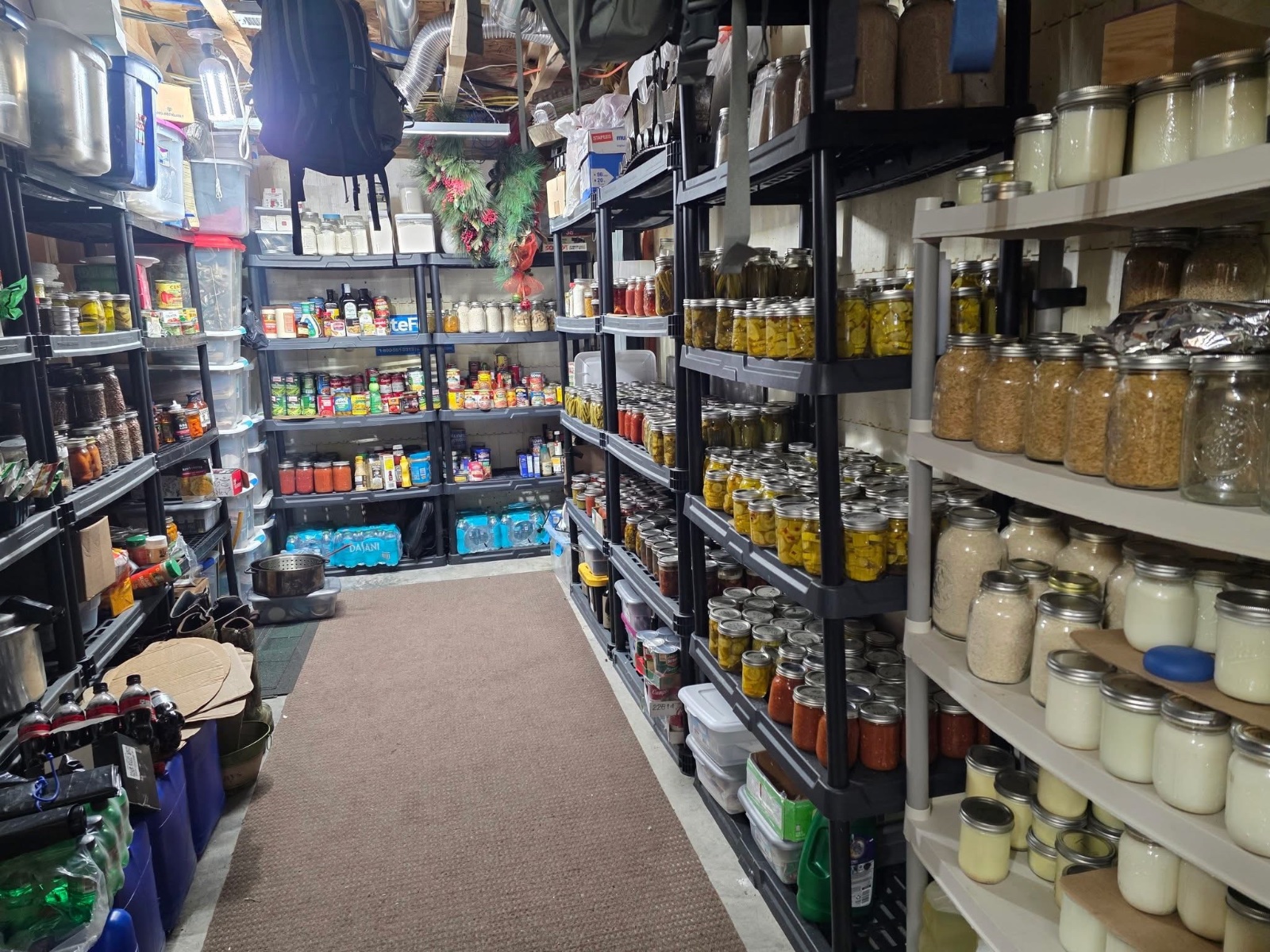
# A Well-Organized Homemade Pantry 🫙
Creating a well-organized homemade pantry can significantly enhance your cooking experience, save you time, and prevent food waste. A thoughtfully arranged pantry not only looks aesthetically pleasing but also maximizes space and efficiency. In this guide, we will explore essential tips for organizing your pantry, the benefits of pantry organization, and the best storage solutions to keep everything in its place.
## The Benefits of Having an Organized Pantry
An organized pantry provides numerous benefits, including:
1. **Time Savings**: Finding ingredients quickly during meal preparation becomes easier. You can reduce the time spent rummaging through disorganized shelves.
2. **Food Waste Reduction**: By keeping track of your inventory, you can avoid purchasing duplicates and ensure your food does not expire unnoticed.
3. **Ease of Meal Planning**: A well-structured pantry allows you to see what you have at a glance, making meal planning simpler and more efficient.
4. **Stress Reduction**: A tidy space promotes a sense of calm, making your kitchen a more enjoyable place to cook and gather.
5. **Increased Creativity**: With everything visible, you may find inspiration to try new recipes based on the ingredients you already have.
## Assessing Your Pantry Space
Before diving into the organization process, it is essential to assess your pantry space. Consider the following:
– **Available Space**: Measure the height, width, and depth of your pantry. Knowing the dimensions will help you choose storage solutions that fit your area perfectly.
– **Current Inventory**: Take stock of what you have. Categorizing your items into dry goods, canned foods, baking supplies, snacks, and condiments will help you determine what you truly need.
– **Usage Frequency**: Identify which items you use most often. These should be easily accessible.
## Steps to Organize Your Pantry
### Step 1: Clear and Clean
Empty your pantry completely. Wipe down shelves, clean out crumbs, and ensure there are no expired items. A clean slate will help you see your space better and feel motivated to organize.
### Step 2: Sort and Group Items
Once cleaned, categorize items into groups. Consider doing the following:
– **Dry Goods**: Pasta, rice, cereals, grains, and flour.
– **Canned and Jarred Foods**: Soups, vegetables, beans, and sauces.
– **Baking Supplies**: Sugar, baking powder, and chocolate chips.
– **Snacks**: Chips, granola bars, and nuts.
– **Condiments and Sauces**: Ketchup, mustard, oils, and dressings.
Group similar items together to make them easy to find. You might also consider sorting by usage frequency—place frequently used items at eye level for easy access.
### Step 3: Choose Storage Solutions
Invest in some high-quality storage solutions to maximize your pantry space. Here are a few ideas:
– **Clear Containers**: Use transparent containers for dry goods to easily see contents. Consider labeling them for quick identification.
– **Tiered Shelves**: Utilize space efficiently by installing tiered shelves that allow you to stack items without losing visibility.
– **Baskets and Bins**: Group together smaller items into baskets to prevent clutter and chaos. Use bins for snacks or baking supplies.
– **Lazy Susans**: These rotating trays can be excellent for condiments or smaller jars, providing easy access to everything.
– **Door Racks**: Maximize vertical space by attaching racks to the inside of pantry doors for spices or packets.
### Step 4: Implement a System
Establishing a system for the pantry will help maintain its organization. Consider these tips:
– **FIFO Method**: Use the “First In, First Out” method to ensure older items get used before newer ones. Store older food items at the front of the shelf.
– **Weekly Inventory Checks**: Make it a habit to check your pantry weekly, ensuring that any expired or unused items are taken stock of and rotated.
– **Meal Planning**: Plan your meals according to what’s available in your pantry. This approach reduces the likelihood of purchasing items you don’t need.
### Step 5: Maintain the Organization
Once your pantry is organized, it’s essential to maintain it. Here are some ongoing tips:
– **Regular Cleaning**: Plan to clean and organize your pantry every few months as needed. This will help catch any expired items or clutter before it becomes overwhelming.
– **Restock Mindfully**: Only buy additional items as needed. Try to finish what you have before purchasing more to avoid overcrowding.
– **Involve Family Members**: Encourage everyone in your household to help maintain the organization by putting items back in their designated spots.
## Conclusion
Creating a well-organized homemade pantry is an essential aspect of any functional kitchen. By following a systematic approach—assessing your space, sorting and grouping items, choosing proper storage options, and establishing a maintenance routine—you can transform your pantry from chaos to order. A tidy pantry not only enhances your cooking experience but also promotes efficiency, creativity, and mindfulness in the kitchen. Remember, the goal is to make cooking enjoyable and stress-free while minimizing waste and maximizing the use of space. Happy organizing!