
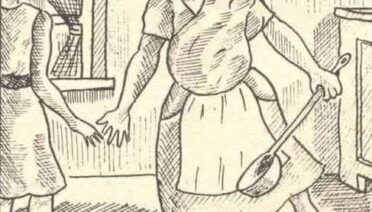
Can You Spot the Hidden Donkey in This Classic Optical Illusion?
At first glance, a classic optical illusion may appear to be nothing more than a simple drawing. However, deeper inspection reveals that it can hold secrets just beneath the surface. One such captivating illusion features a charming black-and-white sketch, showcasing a flustered woman, possibly in the middle of a chaotic moment in the kitchen. The challenge lies in the fact that cleverly concealed within the lines of this illustration is a hidden donkey. Only the keenest observers will be able to spot the donkey without assistance.
Optical illusions have intrigued individuals for generations. They provide not only entertainment but also an opportunity to challenge our perceptions and sharpen our focus. Each illusion serves as a reminder that our vision can be deceiving, often missing the intriguing details at first glance. In this article, we will explore the hidden donkey illusion, its psychological impact, why such puzzles are satisfying, and provide tips on how to improve your observational skills.
Understanding the Hidden Donkey Illusion
What Is the Hidden Donkey?
The hidden donkey in this optical illusion is not an obvious entity lurking in the image. Instead, it is ingeniously formed by the negative space and the contours of the woman’s figure and apron. When observers shift their perspective and examine the overall shapes, they begin to discern the silhouette of a donkey’s face and ears emerging from the image. This form of imagery showcases the beauty and complexity of artistic expression, rewarding individuals who take the time to look closely.
How to Spot the Hidden Donkey
Finding the hidden donkey requires a focused and patient approach. Here are some steps to help you identify the concealed figure:
- Relax Your Eyes: Sometimes, a gentle relaxation of your gaze can help reveal hidden shapes.
- Shift Your Focus: Look at the drawing as a whole rather than scrutinizing individual details, allowing your brain to connect the lines.
- Look for Contrasts: Pay attention to areas where shading or outlines create a stark contrast, as these can often indicate hidden shapes.
- Distance Matters: Step back from the image physically or mentally to view it from a broader perspective.
Why Are Optical Illusions Captivating?
Optical illusions, particularly those like the hidden donkey, have a unique psychological appeal. They are more than simple distractions; they are exercises for the mind. When you successfully identify a hidden shape or figure, your brain releases a small burst of dopamine. This chemical is associated with feelings of pleasure and satisfaction, further enhancing the overall experience of solving puzzles. Let’s delve into why these puzzles resonate so deeply with us.
The Neuroscience Behind Optical Illusions
The fascination with optical illusions stems from their ability to challenge how our brains interpret visual information. The brain is constantly working to make sense of what we see, processing vast amounts of data in milliseconds. When faced with an optical illusion, our usual methods of perception may fail, leading to surprising outcomes.
When you finally piece together the hidden elements within an illusion, you engage in a mini-cognitive victory. This sense of achievement can boost your mood and even sharpen your analytical abilities. Engaging with optical illusions encourages not just visual observation but also critical thinking—the ability to dissect and analyze visual elements. As you practice with puzzles like the hidden donkey, your brain becomes more adept at recognizing patterns and details, enhancing your overall cognitive function.
What Do Optical Illusions Reveal About Your Brain?
Engaging with optical illusions can also provide unique insights into your thought processes. When you encounter a puzzle, your brain tries to make sense of it using past knowledge and experiences. If two different interpretations arise from the same visual input, it reflects your brain’s adaptability and capability to switch perspectives. Such cognitive flexibility is crucial for creativity and problem-solving skills.
Additionally, research shows that individuals who excel at spotting optical illusions may have heightened visual processing abilities. This can translate into better skills in areas that require attention to detail, such as art, design, or even complex scientific analysis.
The Cultural Impact of Optical Illusions
Optical illusions have made their mark not just as entertainment but also as a significant aspect of cultural expression across different societies and times. Artists throughout history have employed optical illusion techniques to create captivating artwork that challenges and engages viewers. From the surreal paintings of Escher to the intricate designs of traditional Indigenous art, these illusions serve as a testament to human creativity and the exploration of perception.
Famous Optical Illusions Throughout History
- Escher’s Work: M.C. Escher is well-known for his mathematically inspired artworks, such as “Relativity,” which showcases impossible structures and staircases that defy gravity.
- The Rubin Vase: This classic image can be interpreted as either a vase or two faces in profile, illustrating how perception can change with perspective.
- The Ames Room: A distorted room that tricks the viewer’s perception of height and scale, demonstrating the complex interplay between visual cues and spatial understanding.
These examples highlight the ongoing fascination with optical illusions, inviting viewers to question their perceptions and engage in playful interaction with art. As cultural artifacts, optical illusions invite reflection on how we see the world, prompting discussions about reality and perception.
Tips to Enhance Your Observational Skills
To become adept at spotting optical illusions, you can develop your observational skills with the following tips:
- Practice Regularly: Engage with various optical illusions to challenge your perception frequently.
- Learn the Tricks: Understand the common techniques used in optical illusions, such as contrasting colors, negative space, and perspective shifts.
- Slow Down: Take your time when observing, allowing your brain to process the image without rushing.
- Discuss with Others: Sharing observations with friends or family can provide new insights and alternate perspectives.
Utilizing Optical Illusions for Mental Agility
Incorporating optical illusions into your routine can serve as a playful yet effective way to enhance your mental agility. These puzzles don’t just serve a recreational purpose; they also promote cognitive health. Engaging with challenging visual stimuli keeps your brain active and can reduce the risk of cognitive decline as you age.
Conclusion
The hidden donkey in the classic optical illusion is more than just a whimsical challenge; it embodies the rich interplay between perception, cognition, and art. By taking the time to dissect and understand the layers within such illustrations, you engage in a stimulating exercise that not only rewards your curiosity but also sharpens your mind. Whether you’re enjoying these illusions for fun or to refine your observational prowess, they remain a fascinating reminder of how we interpret the world around us. Keep exploring the world of optical illusions, embrace the challenges they present, and discover how much there is to learn from your own perceptions!