
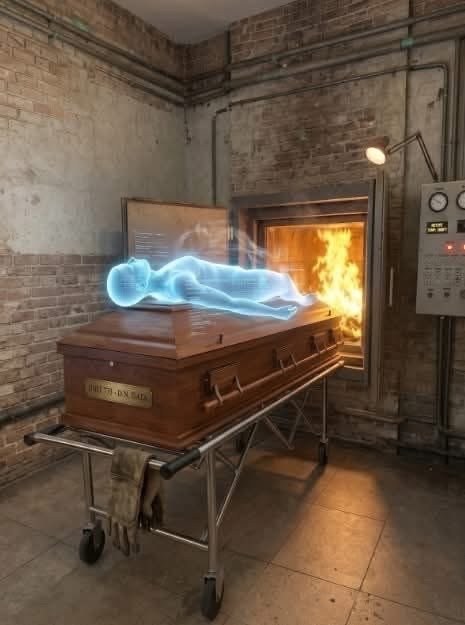
The Sin of Cremation: What the Bible Actually Says
Cremation has become a common practice in modern society, yet it raises various questions for many believers regarding its moral and spiritual implications. This article aims to explore what the Bible says about cremation, whether it is considered a sin, and the perspectives that guide Christian beliefs on this topic.
Understanding Cremation: A Brief Overview
Cremation is the process of reducing a body to ashes through burning. It serves as an alternative to traditional burial and is often chosen for its practicality, cost-effectiveness, and environmental considerations. However, differing religious and cultural beliefs influence people’s choices regarding end-of-life arrangements.
The Biblical Perspective on Burial
Historically, burial has been the mainstream practice among Jews and Christians, as evidenced by numerous scriptures. Notable figures, including Abraham, Joseph, and Jesus Christ Himself, were buried rather than cremated. For instance, in Genesis 23:19, Abraham purchases a cave to bury Sarah, reflecting the cultural significance of burial within the Jewish tradition.
Moreover, in John 19:40, it is documented that Jesus’ body was wrapped in linen and placed in a tomb after His crucifixion. These instances underline the importance of burial in biblical times and contribute to the connection many Christians feel between burial and respect for the deceased.
What Does the Bible Say About Cremation?
Interestingly, the Bible does not explicitly state that cremation is a sin. It does not contain any direct passages that condemn the practice or establish it as an immoral act. Instead, scriptures primarily focus on concepts such as resurrection, the sanctity of the body, and how one honors God with their actions.
In 1 Corinthians 6:19-20, it advises believers to honor God with their bodies. This passage does not mention any specific method of handling a body after death but emphasizes the importance of our physical existence in relation to spirituality. Therefore, cremation cannot be automatically categorized as a sin based on this verse alone.
The Debate Among Christians
Despite the lack of explicit condemnation of cremation in the Bible, debates persist within the Christian community. Some argue that cremation undermines the biblical principle of resurrection. 1 Thessalonians 4:16-17 speaks of the dead in Christ rising first when the Lord returns, which some interpret as an affirmation of burial practices that keep the body intact.
Those opposed to cremation often cite the view that the body is a sacred vessel created by God, making the act of burning disrespectful. Supporters of cremation may argue that God’s power transcends the physical form of the body. They believe that whether one is buried or cremated, God is capable of resurrecting each individual.
Contemporary Christian Views on Cremation
In recent years, many denominations have shifted towards accepting cremation as an appropriate alternative for Christians. Factors contributing to this change include practical considerations such as cost and space, as well as evolving cultural attitudes toward death and burial practices.
1. Denominational Acceptance: Various Christian denominations, including Episcopalians, Methodists, and Catholics, have begun to endorse cremation. While the Catholic Church traditionally preferred burial, it officially permitted cremation in 1963, believing it does not contradict Christian teachings.
2. Personal Decision: Many contemporary Christians view the decision between burial and cremation as a matter of personal preference, shaped by individual beliefs, family traditions, and circumstances.
Considerations for Choosing Cremation
Choosing cremation can involve both emotional and practical considerations. If someone is wrestling with this decision, it’s essential to reflect on the personal significance of burial versus cremation. Here are some factors to consider:
1. Family Traditions and Beliefs
Understanding family history and cultural backgrounds can influence decision-making. Discussing these traditions can help honor your family while aligning with personal beliefs.
2. Financial Implications
Cremation is generally more affordable than traditional burial, making it a viable choice for families concerned about funeral expenses.
3. Environmental Impact
Cremation is often seen as a more environmentally friendly option compared to burial, which requires significant land use and the use of non-biodegradable materials in caskets. Individuals concerned about ecological footprints might favor cremation.
4. Religious Significance
Ultimately, seek guidance through prayer and reflection on what resonates with your faith. Consulting with a pastor or spiritual advisor can offer clarity regarding how your beliefs align with the choice you are considering.
Conclusion: The Importance of Discernment
The conversation surrounding cremation and its alignment with biblical teachings continues to evolve. While the Bible does not label cremation as a sin, the cultural and theological implications in the Christian community are complex and multifaceted.
When exploring options for post-life arrangements, it is essential to approach the discussion with compassion, understanding, and discernment. Ultimately, the decision should honor the memory of the deceased and reflect the values and beliefs of those left behind. Whether one chooses cremation or burial, what ultimately matters is the love and respect shown throughout the journey of life and beyond.
In seeking clarity on the topic of cremation, believers are encouraged to engage in open discussions within their communities and seek divine guidance, ensuring that their choices are steeped in faith and consideration for what they hold dear.