
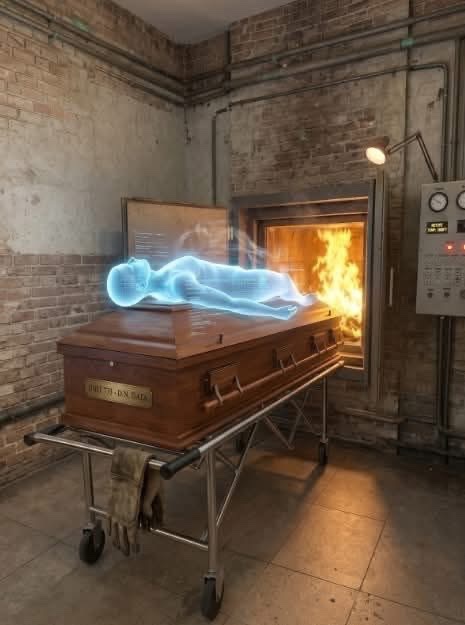
The Sin of Cremation: What the Bible Actually Says
Cremation has become a common practice in many cultures around the world, often chosen for its convenience and cost-effectiveness. However, this method of dealing with the deceased raises complex questions, particularly within religious contexts. Many individuals wonder, “Is cremation a sin according to the Bible?” This article delves into the biblical perspective on cremation, examining scripture, cultural implications, and the broader theological implications.
Understanding Cremation in Biblical Context
To address whether cremation is considered a sin in Christianity, it is essential to understand what the Bible says about death and the treatment of the body after death. The Bible does not explicitly mention cremation, suggesting that it is not inherently sinful. In ancient times, burial was the predominant method of handling the deceased, as seen in the practices of Abraham and the Israelites. However, the Bible primarily emphasizes the importance of the soul rather than the physical body.
Key Scriptures on Burial and Cremation
1. Genesis 23:19: The first mention of burial in the Bible occurs when Abraham buries Sarah in the Cave of Machpelah. This action established a tradition among the Israelites to honor their dead through proper burial.
2. John 11:38-44: The burial of Lazarus underscores the Jewish custom of burying the dead. Jesus Himself, after His crucifixion, was laid to rest in a tomb, further signifying the importance of burial in biblical traditions.
3. Ecclesiastes 12:7: This verse states, “And the dust returns to the earth as it was, and the spirit returns to God who gave it.” This scripture highlights the separation of the body and soul, reinforcing that the physical remains do not carry eternal significance.
Cultural Perspectives on Cremation
Cremation has origins in various cultures, including Hinduism and Buddhism, where it is believed to facilitate the soul’s journey. In contrast, Christianity has historically favored burial as a way of respecting the body, a belief stemming from the resurrection of Christ.
Despite these traditional views, many modern Christians have embraced cremation, often viewing it as a practical solution in contemporary society. This evolution in practice raises questions regarding the morality of choosing cremation over burial.
Theological Considerations
The Resurrection of the Body
One argument against cremation within Christianity is related to the belief in the resurrection of the body. Christians fervently believe that at the end of time, God will resurrect believers, reuniting them with their physical bodies. The concern is that cremation, which reduces the body to ashes, might hinder this process.
However, scripture reassures believers of God’s sovereignty over life and death. 1 Corinthians 15:42-44 emphasizes that the resurrection body will be transformed, reflecting the imperishable nature of eternity rather than its earthly state. Thus, the act of cremation does not conflict with the belief in resurrection.
Sin and Moral Responsibility
Cremation itself is not addressed as a sin in the Bible. The central tenet revolves around the intention behind the act. If cremation is chosen out of respect, dignity, and love, then it aligns with Christian values. Conversely, if it stems from a disregard for life or a desire to reject God’s creation, it may reflect a spiritually unhealthy disposition.
Common Misconceptions About Cremation
Misconception 1: Cremation is a Pagan Practice
A prevalent belief is that cremation is inherently pagan. While many pagan religions practiced cremation, this doesn’t mean that all forms of cremation are sinful. The intention and understanding of the act matter most in the Christian faith.
Misconception 2: Cremation Prevents Resurrection
As previously discussed, the resurrection of the body is not contingent upon whether a body is buried or cremated. God’s power transcends physical limitations, ensuring that believers’ souls are reunited with transformed, glorified bodies irrespective of their earthly treatment.
Misconception 3: Christian Tradition Rejects Cremation
While traditional Christianity may have favored burial, modern interpretations recognize that practices can evolve. Numerous churches and denominations now accept cremation as a valid option for believers.
The Practical Considerations of Cremation
Adopting cremation can offer several practical benefits:
1. Cost-effectiveness: Cremation often costs significantly less than traditional burials, making it a financially viable option for many families.
2. Simplicity: The process of cremation is generally more straightforward, allowing for quicker arrangements in times of grief.
3. Flexibility: Ashes can be kept in urns, scattered in meaningful locations, or incorporated into memorials, providing families with various ways to celebrate their loved ones’ lives.
4. Environmental Impact: With the growing concern over land usage and environmental sustainability, cremation can present a more eco-friendly choice compared to traditional burials, which often consume extensive land and resources.
Conclusion
So, is cremation a sin according to the Bible? The evidence points toward a more nuanced understanding. While biblical tradition has favored burial, the scriptures do not explicitly condemn cremation. The essential consideration is not the method of handling the body but the heart and intention behind the decision.
Cremation can be a respectful and dignified choice, reflecting the values of love and remembrance. For Christians facing these choices, it’s essential to seek guidance through prayer and consultation with spiritual leaders. In the end, the state of one’s relationship with God and adherence to Christian values ultimately matters more than the specific practices of burial or cremation.