
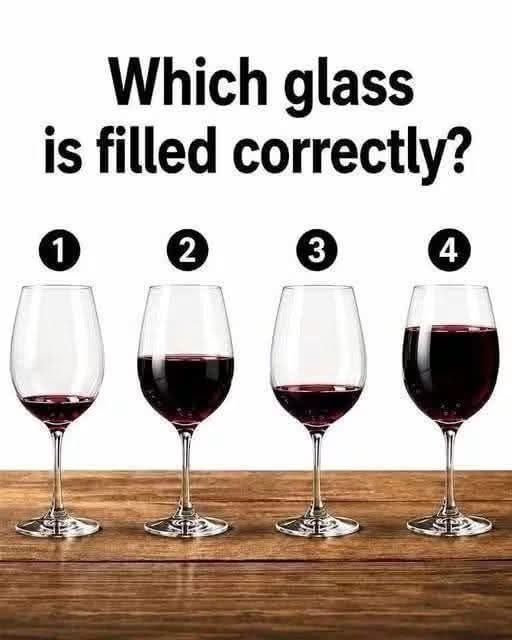
Which Glass Is Filled Correctly?
Understanding how to fill different types of glass correctly is crucial for both hospitality professionals and home enthusiasts. Serving beverages at the right level not only enhances the drinking experience but can also optimize the presentation and flavor. This comprehensive guide will delve into the various types of glassware and how to fill them correctly, ensuring a perfect pour every time.
The Importance of Choosing the Right Glass
When serving drinks, presentation and portion control are vital. The right glass not only affects the aesthetic but also the perception of the beverage’s taste and quality. Whether you’re serving cocktails, wine, or soft drinks, the choice of glass can enhance the overall experience.
Common Types of Glassware
Before discussing the filling techniques, let’s explore some common types of glassware and their typical uses:
– Wine Glasses: Typically stemmed, these glasses come in various shapes and sizes (red wine glasses, white wine glasses, champagne flutes). Each type holds different volumes, influencing the aroma and taste of the wine.
– Beer Glasses: From pint glasses to tulip glasses, these are designed to enhance the flavors and aromas of different beer styles.
– Cocktail Glasses: These include martini glasses and highball glasses, which are designed for specific cocktails and should be filled according to the drink recipe.
– Tumblers: These are versatile glasses used for various beverages, including cocktails, water, and soft drinks.
How to Fill Different Types of Glassware
Filling Wine Glasses
Wine glasses should be filled to enhance the aromas and flavors of the wine. Here’s how to do it correctly:
– Red Wine Glass: Fill the glass to about one-third to allow proper aeration. This helps release the wine’s bouquet.
– White Wine Glass: These can be filled to about halfway. The shape allows for the chilling of white wines while keeping the aromas concentrated.
– Champagne Flute: Fill to about two-thirds to preserve the bubbles. Avoid filling to the rim to prevent spillage.
Filling Beer Glasses
Different styles of beer demand specific filling techniques:
– Pint Glass: A standard pint glass should be filled to the rim for the best drinking experience. Leave about half an inch for foam, also known as the head.
– Weizen Glass: This glass is usually filled about three-quarters full due to the frothy head that wheat beers create; it should be poured slowly to avoid overflow.
– Tulip Glass: Common for strong ales; fill this glass to about half to allow the wide opening to capture the beer’s aromatic qualities.
Filling Cocktail Glasses
Cocktails often require precise measurements, making correct filling vital for balance:
– Martini Glass: Typically, fill to the widest part of the glass, leaving a small space to avoid spillage. The drink’s profile should be visible and accessible.
– Highball Glass: These are usually filled with ice first, then the spirit, topped off with mixers. Fill to about three-quarters full, leaving room for mixing.
Filling Tumblers
Tumblers are straightforward but still need a bit of attention:
– When filling tumblers (often for water or soft drinks), the standard is to fill them about three-quarters full. This allows for ice if preferred and prevents overflow when adding garnishes or mixers.
Tips for Even More Precise Filling
1. Understand the Volume: Knowing the capacity of your glassware can significantly improve how you serve. Common wine glasses hold about 12 ounces, while pint glasses generally hold 16 ounces.
2. Use a Jigger or Measurement Tool: For cocktails, precise pouring can be achieved with a jigger. This ensures you’re measuring the right amount, which is crucial for maintaining the cocktail’s flavor profile.
3. Tilt It Right: When filling, tilt the glass slightly to minimize agitation and preserve carbonation, especially for sparkling wines and beers.
4. Pour Slow and Steady: For any beverage, a slow and steady pour allows control over the filling process and reduces the chance of foaming or overflow.
5. Adapt to the Drink: Always consider the drink you are serving. Some require more space for mixing, garnishing, or cooling than others.
Conclusion
Correctly filling glasses is an art that can elevate the drinking experience and improve presentation. By understanding the nuances of different types of glassware and following proper pouring techniques, you can enhance both the aesthetic appeal and the enjoyment of various beverages. Whether you are a professional bartender or entertaining guests at home, mastering the correct pouring methods will undoubtedly leave a lasting impression.
Focusing on these details helps create more enjoyable moments, whether it’s hosting a party, enjoying a meal, or simply savoring a quiet drink at home. Investing in quality glassware and following these filling guidelines can transform everyday drinking into a delightful experience.