
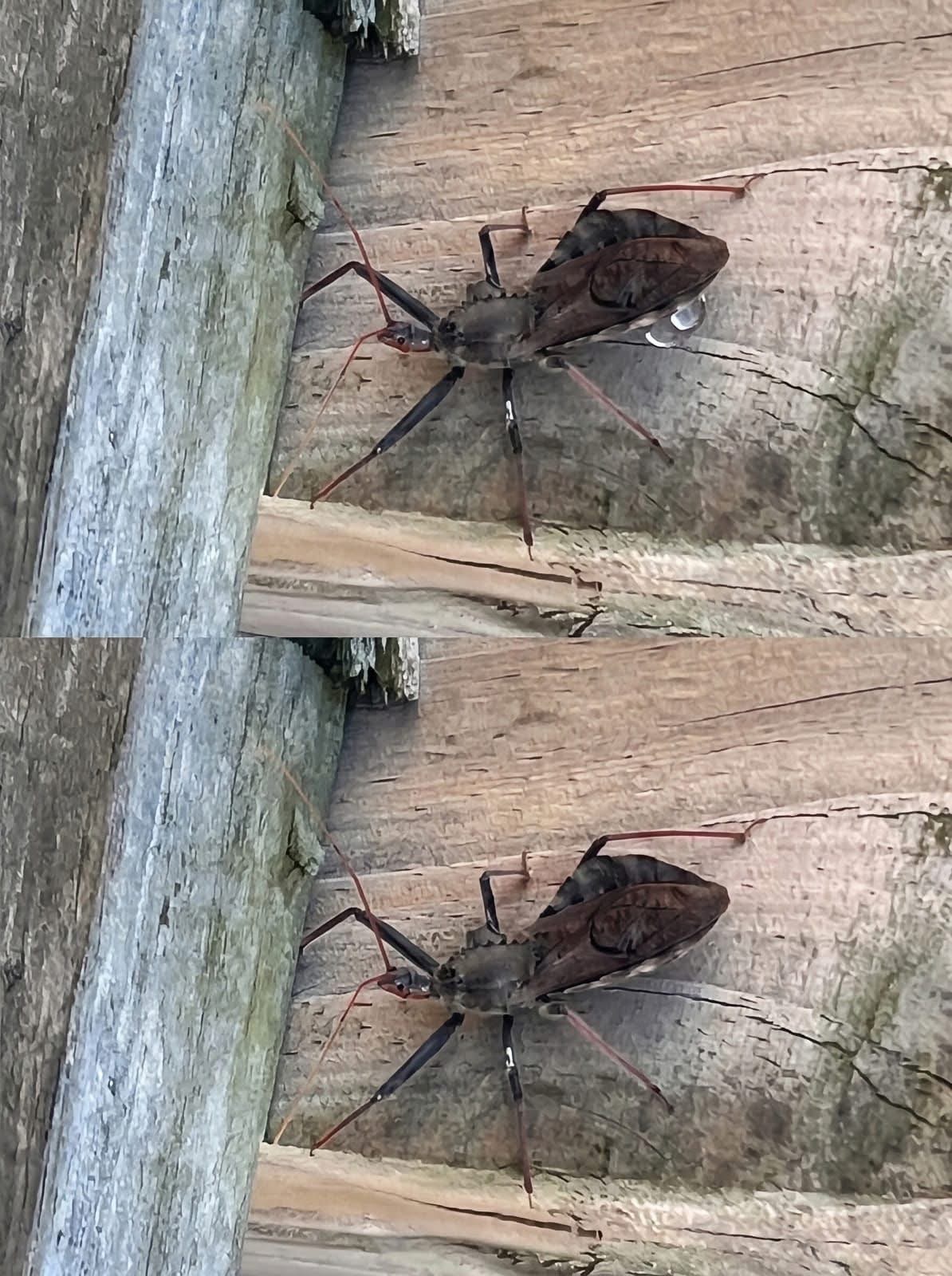
# What To Do If Bitten By An Assassin Bug
Assassin bugs are a diverse group of insects known for their predatory behavior, notably using their sharp beaks to pierce the exoskeletons of their prey. While they mainly feed on other insects, bites from certain species can pose risks to humans, leading to discomfort or allergic reactions. Understanding what to do if bitten by an assassin bug is crucial for effective first aid and symptom management. This comprehensive guide will walk you through the steps to take after a bug bite, highlight prevention strategies, and discuss when to seek medical attention.
## Understanding Assassin Bugs
Assassin bugs belong to the Reduviidae family and are known for their elongated bodies and distinctive “assassin” hunting methods. They are typically found in gardens, forests, and fields, where they actively hunt for prey. Although their bites can be painful, not all bites are dangerous, and most cases of bites result only in mild symptoms.
### Symptoms of an Assassin Bug Bite
When bitten by an assassin bug, individuals may experience a range of symptoms. Common reactions to an assassin bug bite include:
– **Pain and discomfort**: The bite area may be painful, resembling a bee sting.
– **Redness and swelling**: The skin around the bite may become inflamed and red.
– **Itching**: An itchy sensation is common after the bite.
– **Allergic reactions**: In some cases, individuals may experience allergic reactions leading to hives or swelling beyond the bite area.
Understanding these symptoms can help differentiate between reactions to an assassin bug bite and those from other insect bites.
## Immediate First Aid Steps
If you or someone else is bitten by an assassin bug, follow these immediate first aid steps to alleviate symptoms and prevent complications:
### 1. Clean the Bite Area
Using mild soap and water, carefully clean the area around the bite. This step helps prevent infection and reduces the risk of complications. Pat the skin dry with a clean towel after washing.
### 2. Apply a Cold Compress
To minimize swelling and pain, apply a cold compress or an ice pack wrapped in a cloth to the affected area for 10-15 minutes. This can help numb the area and reduce inflammation.
### 3. Take Over-the-Counter Pain Relievers
Non-prescription pain relievers such as ibuprofen or acetaminophen can help manage pain caused by the bite. Always follow the recommended dosage instructions on the packaging or consult with a healthcare professional if unsure.
### 4. Use Antihistamines for Itching
If itching is persistent, consider taking an oral antihistamine such as diphenhydramine (Benadryl) or using topical antihistamine creams. These medications can help alleviate itchiness and reduce allergic reactions.
### 5. Monitor for Infection
Keep an eye on the bite site for any signs of infection, such as increasing redness, warmth, pus, or persistent pain. If these symptoms develop, it’s essential to seek medical attention.
## When to Seek Medical Attention
In most cases, bites from assassin bugs do not require medical intervention. However, certain situations warrant a visit to a healthcare professional:
– **Severe Allergic Reaction**: If the bitten individual experiences difficulty breathing, swelling of the face or throat, or hives, seek emergency medical help immediately.
– **Infection Signs**: If you notice symptoms of infection developing, such as increased redness, pus, or fever, consult a doctor.
– **Extended or Extreme Pain**: If pain does not subside after initial treatment or worsens over time, medical advice may be needed to assess for complications or require a different treatment approach.
## Prevention Strategies
To reduce the likelihood of being bitten by an assassin bug or other insects, consider implementing the following prevention measures:
### 1. Wear Protective Clothing
When spending time outdoors, especially in grassy or heavily vegetated areas, wear long sleeves, long pants, and closed-toe shoes. Light-colored clothing can help you spot insects more easily.
### 2. Use Insect Repellent
Applying insect repellent containing DEET, picaridin, or oil of lemon eucalyptus can deter assassin bugs and other biting insects. Reapply as recommended, especially after sweating or swimming.
### 3. Keep Your Environment Clean
Maintain your outdoor space to minimize the presence of predator insects. Clearing debris, trimming vegetation, and using organic pest control methods can help reduce populations of insects, including assassin bugs.
### 4. Be Cautious with Wild Plants
Avoid handling wild plants or vegetation where assassin bugs may be hiding. If you must handle these plants, wear gloves.
## Conclusion
Being bitten by an assassin bug can be an unpleasant experience, but knowing how to respond effectively can minimize discomfort and potential complications. By following the first aid steps outlined in this guide and employing preventive measures, you can reduce the risk of future bites. If you experience severe symptoms or signs of infection, never hesitate to seek medical attention. With the right knowledge and care, you can effectively manage insect bites and enjoy outdoor activities safely.